October 8, 2026
Maintaining a healthy lawn does not have to involve excessive water, fertilizer, fuel, or other resources. Eco-friendly landscaping practices can help property owners maintain attractive outdoor spaces while using resources more efficiently. Modern lawn maintenance strategies focus on applying water and other treatments only where they are needed and when they provide the greatest benefit. These methods can also reduce unnecessary maintenance tasks and help control long-term operating expenses. Professional lawn care services can incorporate sustainable practices that support healthier grass while limiting waste. From smarter irrigation to environmentally conscious mowing techniques, several approaches can make routine landscape maintenance more efficient. Choosing sustainable practices can therefore benefit both the appearance of a property and the resources required to maintain it.
Reducing Unnecessary Water Use
Water is one of the most important resources required to maintain a healthy lawn, but inefficient watering can result in substantial waste. Traditional watering methods may apply more water than grass actually needs or distribute it unevenly across a property. Eco-friendly maintenance focuses on providing moisture according to soil conditions, weather, grass type, and seasonal requirements. According to TechNavio, lawn care services that use water conservation techniques can help clients achieve significant savings, with some reporting reductions in water consumption of more than 30% compared with traditional approaches. Smart irrigation controllers, moisture sensors, and properly adjusted sprinkler systems can further improve water efficiency. Watering during appropriate times of day can also reduce evaporation and help more moisture reach the soil. By managing water carefully, property owners can support lawn health while reducing unnecessary consumption. Adjusting irrigation schedules after rainfall can further prevent overwatering and help conserve local water supplies.
Improving Soil Health
Healthy soil provides the foundation for strong grass growth and can reduce the need for excessive treatments. Compacted or nutrient-deficient soil may prevent roots from receiving adequate water, air, and nutrients. Sustainable lawn care can include practices such as aeration, compost application, and organic matter management to improve soil conditions. Better soil structure allows roots to develop more effectively and can improve the lawn's ability to absorb and retain moisture. When soil supports healthier root growth, grass may become more resilient during periods of heat, drought, or heavy use. Lawn care services can evaluate soil conditions and recommend maintenance practices based on the needs of the property. Improving soil health can reduce dependence on corrective treatments while supporting more consistent grass growth. Over time, healthier soil can contribute to a more efficient and sustainable maintenance routine. Regularly monitoring soil conditions also helps property owners identify potential problems before they interfere with lawn development.
Using Fertilizer More Efficiently
Fertilizer can provide important nutrients, but excessive application can waste resources and potentially affect surrounding soil and water. Eco-friendly lawn maintenance emphasizes applying nutrients according to actual lawn requirements rather than using more product than necessary. Soil testing can help identify nutrient deficiencies and provide information about which nutrients may be needed. Slow-release fertilizers can also provide nutrients gradually, helping reduce the risk of excessive application. Timing is another important consideration because grass has different nutritional needs throughout the year. Lawn care services can develop treatment schedules based on grass type, seasonal conditions, and soil characteristics. Targeted fertilization can support healthy growth while minimizing unnecessary product use. A more precise approach can improve both resource efficiency and the long-term condition of the lawn. Following recommended application rates can also help limit nutrient runoff into nearby storm drains and waterways.
Managing Landscape Waste
Routine lawn maintenance can generate grass clippings, leaves, branches, and other organic material. Disposing of all this material as waste can increase the amount of organic matter sent to landfills. Sustainable lawn care practices can instead focus on recycling or reusing appropriate landscape materials. Grass clippings can often remain on the lawn when mowing practices allow, where they can break down and return nutrients to the soil. Leaves and other organic materials may also be composted when suitable facilities or practices are available. Reducing unnecessary waste can lower disposal requirements while returning useful organic matter to the landscape. Lawn care services can incorporate waste-conscious practices into regular maintenance routines. Managing landscape waste responsibly supports a cleaner property while making better use of materials generated during maintenance.
Reducing Equipment-Related Costs
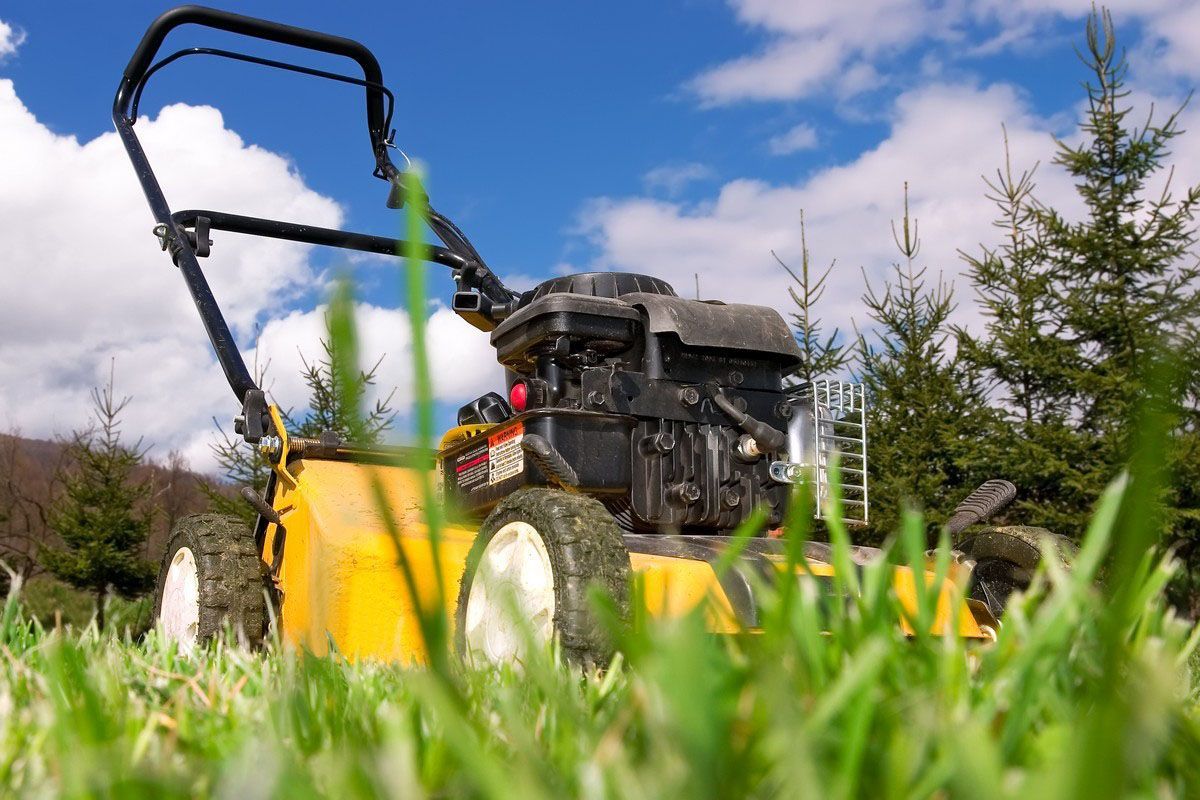
Landscape equipment requires fuel, maintenance, replacement parts, and other ongoing resources. Efficient equipment practices can help reduce these costs while limiting unnecessary environmental impact. Regular maintenance can keep mowers, trimmers, blowers, and other tools operating more efficiently. Cleaning air filters, maintaining appropriate tire pressure, sharpening blades, and addressing mechanical issues can all support better equipment performance. Electric equipment may also provide an alternative for certain applications where it is practical and appropriate. Reducing unnecessary equipment use can further decrease fuel consumption and operating expenses. Lawn care services can evaluate maintenance routines to identify opportunities to improve equipment efficiency without reducing the quality of the finished landscape. Better equipment management can therefore contribute to both environmental and financial efficiency.
Supporting Natural Lawn Resilience
A resilient lawn is generally better equipped to handle changing environmental conditions without requiring excessive intervention. Choosing grass varieties that are appropriate for local climate and site conditions can help reduce unnecessary water and maintenance requirements. Proper mowing, watering, fertilization, and soil management can further strengthen the lawn over time. Healthy grass can compete more effectively with weeds and recover more efficiently from ordinary stress. Integrated approaches can reduce the need for frequent corrective treatments and unnecessary applications. Lawn care services can help property owners identify maintenance strategies that support the natural resilience of their particular lawn. Building resilience requires consistent attention rather than relying exclusively on short-term treatments. A stronger lawn can ultimately require fewer resources to maintain its appearance and health.
Creating Long-Term Maintenance Savings
Eco-friendly lawn care is not simply about reducing environmental impact; it can also contribute to more efficient long-term property maintenance. Using water, fertilizer, fuel, and equipment more carefully can reduce unnecessary operating expenses. Preventive maintenance can also help identify problems before they require more expensive corrective work. Healthy soil and resilient grass may require fewer intensive interventions as the landscape develops. Efficient irrigation can reduce water consumption, while appropriate mowing practices can support healthier growth. Lawn care services can combine these practices into a maintenance strategy designed around the property's specific needs. The savings from individual improvements may seem modest, but they can become more meaningful when applied consistently over time. A resource-efficient lawn can therefore support both environmental responsibility and practical cost management.
Eco-friendly lawn maintenance provides a practical way to improve efficiency while supporting a healthier and more attractive property. Smarter watering, healthier soil, targeted fertilization, efficient mowing, responsible waste management, and equipment maintenance can all contribute to better resource use. These practices can also reduce unnecessary expenses associated with water, products, fuel, and corrective maintenance. Sustainable lawn care does not require sacrificing appearance or functionality when the right methods are selected for the property. Instead, it focuses on using appropriate resources at the appropriate time and in the appropriate amounts. Emerald Green, Inc can help property owners develop maintenance strategies that support efficient, responsible, and healthy landscape care. Contact us to discuss lawn maintenance solutions designed to improve efficiency, conserve resources, and support long-term landscape health.