September 18, 2026
In this comprehensive guide, we will explore essential maintenance tips provided by your trusted local lawn care company. Whether you are a new homeowner or an experienced gardener, these tips aim to enhance the health and aesthetics of your lawn, ensuring it remains lush and vibrant year-round. Proper lawn maintenance not only increases the value of your home but also creates a welcoming environment. A beautiful lawn can provide a personal sanctuary for relaxation or serve as a safe play area for children and pets. Let's delve into these expert tips and transform your lawn into a green paradise.
Understanding Soil Health
Conducting soil tests is a fundamental step in assessing the health of your lawn. These tests provide valuable insights regarding nutrient content and pH levels. Knowing your soil’s basic composition allows you to tailor your care efforts to meet specific needs. It's a straightforward process that can be performed with simple test kits available at most garden centers. Regular testing facilitates adjustments in your maintenance strategy, fostering a thriving lawn.
Soil aeration is a crucial process that aids in the flow of air, water, and nutrients to the roots of your grass. Over time, soil can become compacted, hampering plant growth and vitality. Aeration can be achieved through various methods such as using a lawn aerator or simply using a garden fork to perforate the soil. This process alleviates compaction, allowing grass roots to expand and strengthen. A well-aerated lawn is more resilient and better equipped to resist pests and diseases.
Nutrient-rich soil is the foundation for a healthy lawn, and appropriate fertilization plays a key role in achieving it. Fertilizer should be chosen based on the specific needs indicated by a soil test. While improper fertilization can lead to nutrient imbalances, addressing the unique nutritional requirements can enhance lawn health tremendously. Moreover, timing is crucial; applying fertilizers at optimal times maximizes their effectiveness. A balanced approach ensures your lawn's nutrient needs are consistently met throughout the growing season.
Watering Your Lawn Effectively
As an experienced local lawn care company, we've found that efficient watering is an art that requires observing timing and quantity for the best results. The ideal time to water your lawn is early in the morning when temperatures are cooler, reducing evaporation. This helps water seep into the soil effectively, providing moisture to the roots. A consistent watering schedule can lead to deeper root systems, making your lawn drought-resistant and robust against seasonal variations. Conversely, irregular watering can lead to shallow roots, leaving your lawn susceptible to stress.
Your lawn's water needs can vary greatly depending on grass type and local climate conditions. Some grass varieties demand more water, while others are drought-tolerant and require less. Seasonal changes and weather patterns also influence your watering schedule. According to experts, one rule of thumb is providing about an inch of water per week, including rainfall. Observing your lawn and adjusting based on its specific requirements will yield the best outcomes.
Irrigation systems offer an efficient way to manage your lawn's water supply. These systems can be specifically tailored to suit your landscape's needs, ensuring even coverage and reducing waste. Advanced systems also come with programmable features, allowing flexibility in scheduling and operation. By automating your watering, you can maintain a healthy lawn and conserve water, especially during peak thirst months. Investing in an irrigation system can ultimately save time, water, and energy.
Mowing Practices for a Healthy Lawn
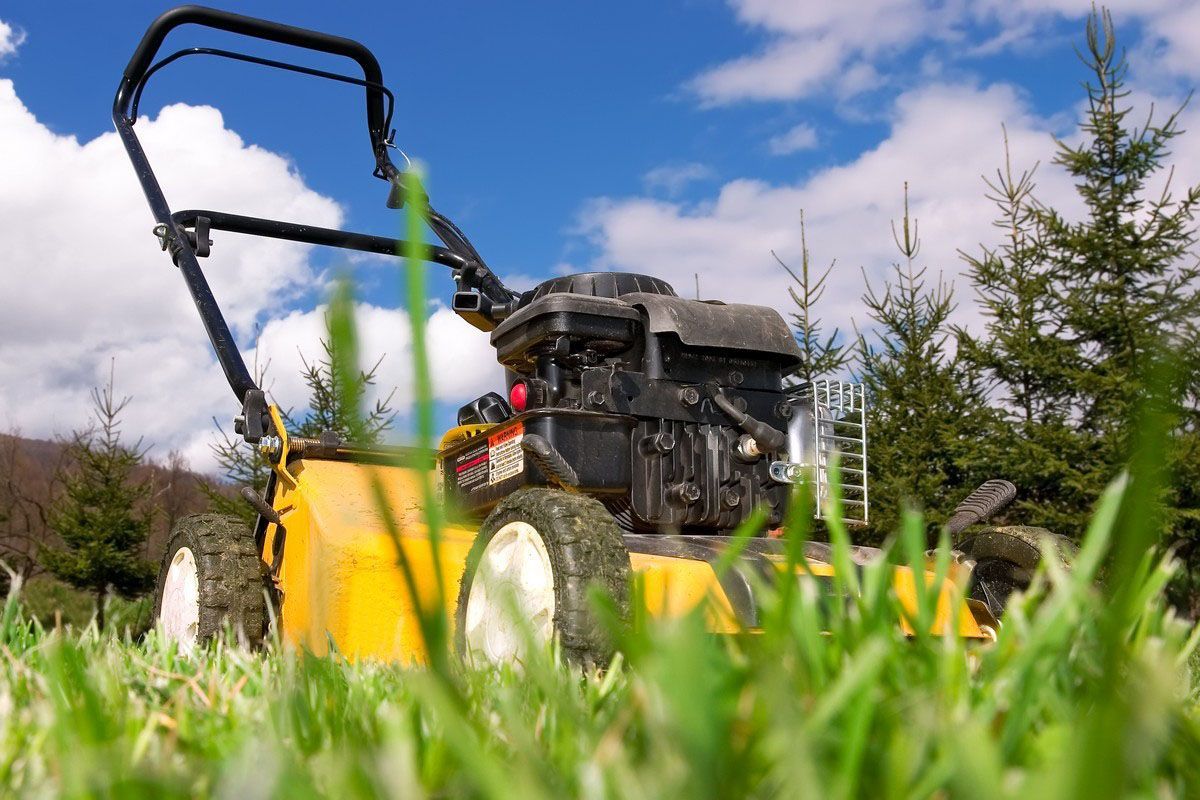
Mowing at the correct height is essential for maintaining an aesthetically pleasing and healthy lawn. Each grass type has an ideal mowing height, typically between two to four inches. Cutting grass too short stresses the plant and encourages weed growth, while letting it grow too tall can lead to sparse lawns. Adjust your mower to the recommended height to promote photosynthesis and nutrient absorption. This practice also supports dense growth, naturally strangling weeds and boosting lawn resilience.
The frequency of mowing is another crucial factor in lawn care. During rapid growth phases, more frequent mowing is necessary, whereas dormant periods require less. Mowing only removes one-third of the grass blade at a time to avoid stressing the plants. Regularly monitored mowing schedules ensure grass is kept at the optimal height, promoting healthy growth and making your lawn less inviting for pests. Understanding growth rates and adjusting mowing routines accordingly help maintain a spotless, vital lawn.
Sharp mower blades are integral for a clean-cut, promoting lawn health. Blunt blades tear grass, creating jagged edges that are prone to diseases and pests. Regularly sharpening your mower blades ensures cuts are clean and precise, fostering faster grass recovery. It is recommended to sharpen blades after approximately every 10 hours of use. This simple maintenance task can significantly enhance the appearance and vitality of your lawn.
Managing Weeds Effectively
One of the primary steps in effective weed management is correctly identifying the types of weeds present. Common lawn invaders include dandelions, crabgrass, and clover, which can easily take root if not identified early. A keen eye can help distinguish between beneficial and detrimental plants in your lawn ecosystem. Familiarizing yourself with your region's most prevalent weeds allows for timely intervention. Knowing your adversaries is half the battle when it comes to weed control.
The best defense against weeds is a proactive approach. Establishing a dense, healthy lawn naturally suppresses weed growth by crowding them out. Regular overseeding and correct fertilization and watering practices bolster lawn health. Good cultural practices act as a first line of defense, preventing weeds from gaining a foothold. Remember, according to Preen, a single weed can produce anywhere from 10,000 to over 100,000 seeds, emphasizing the need for vigilance.
Both natural and chemical methods have roles in an effective weed management strategy. Natural methods, such as manual removal or the use of organic herbicides, can be safer for the environment. Conversely, chemical treatments often provide quicker results and are essential for severe infestations. Balancing these approaches based on weed type, severity, and lawn sensitivities is crucial. Ultimately, a mixed strategy often yields the best results for long-term lawn health.
Enhancing Lawn Nutrition Through Fertilization
The right fertilizer choice significantly impacts your lawn’s vigor. Synthetic fertilizers offer quick nutrient boosts, while organic options release nutrients gradually, improving soil health over time. Each type provides unique benefits, and selecting the appropriate one depends on your lawn’s specific requirements. Tailoring your fertilizer type to your soil test results ensures the nutrients provided meet the lawn’s precise needs. Striking the right balance supports robust, confident growth.
Even fertilizer application is key to promoting uniform growth and avoiding patchiness. Utilizing a broadcast spreader can help ensure fertilizers are evenly distributed across your lawn. Overlapping slightly with each pass avoids missed spots and uneven coverage. More importantly, following manufacturers' instructions to the letter ensures the correct amount is applied. A meticulous approach to fertilization optimizes resource use and boosts overall lawn success.
As an experienced
local lawn care company, we've found that the timing of fertilization is as impactful as the type and amount. Providing nutrients during key growth phases maximizes benefits and minimizes waste. Early spring and late fall are often recommended times, each supporting different seasonal growth needs. Ensuring lawn nutritional demands are met at critical times enhances metabolism and development. Timely applications foster resilience, making your lawn better prepared for climatic and environmental stressors.
By implementing these expert lawn care tips from your local lawn care company, you can ensure your lawn remains a lush, green sanctuary. Regular maintenance combined with strategic planning allows you to address the unique needs of your lawn, resulting in a vibrant and flourishing outdoor space year-round. A healthy, picturesque lawn is a celebration of nature's beauty and reflects your dedication to fostering an inviting home environment suitable for family, friends, and wildlife alike. For a local lawn care company you can count on, contact Emerald Green, Inc today.