July 29, 2026
Understanding the importance of tick control and how professionals can effectively manage tick populations in residential lawns is crucial for maintaining a healthy and safe environment. Ticks pose significant health risks to both humans and pets as they can transmit serious diseases such as Lyme disease, Rocky Mountain spotted fever, and Ehrlichiosis. Lawn care professionals are uniquely positioned to address this issue by implementing integrated pest management strategies. According to Forbes, 40% of Americans claim pest infestations have been a problem for them, so this issue is no stranger to much of the population. In order to help, this guide provides detailed insights into tick biology, infestation assessment, control strategies, pesticide application, preventive measures, and effective client communication.
Identifying Signs of Tick Presence
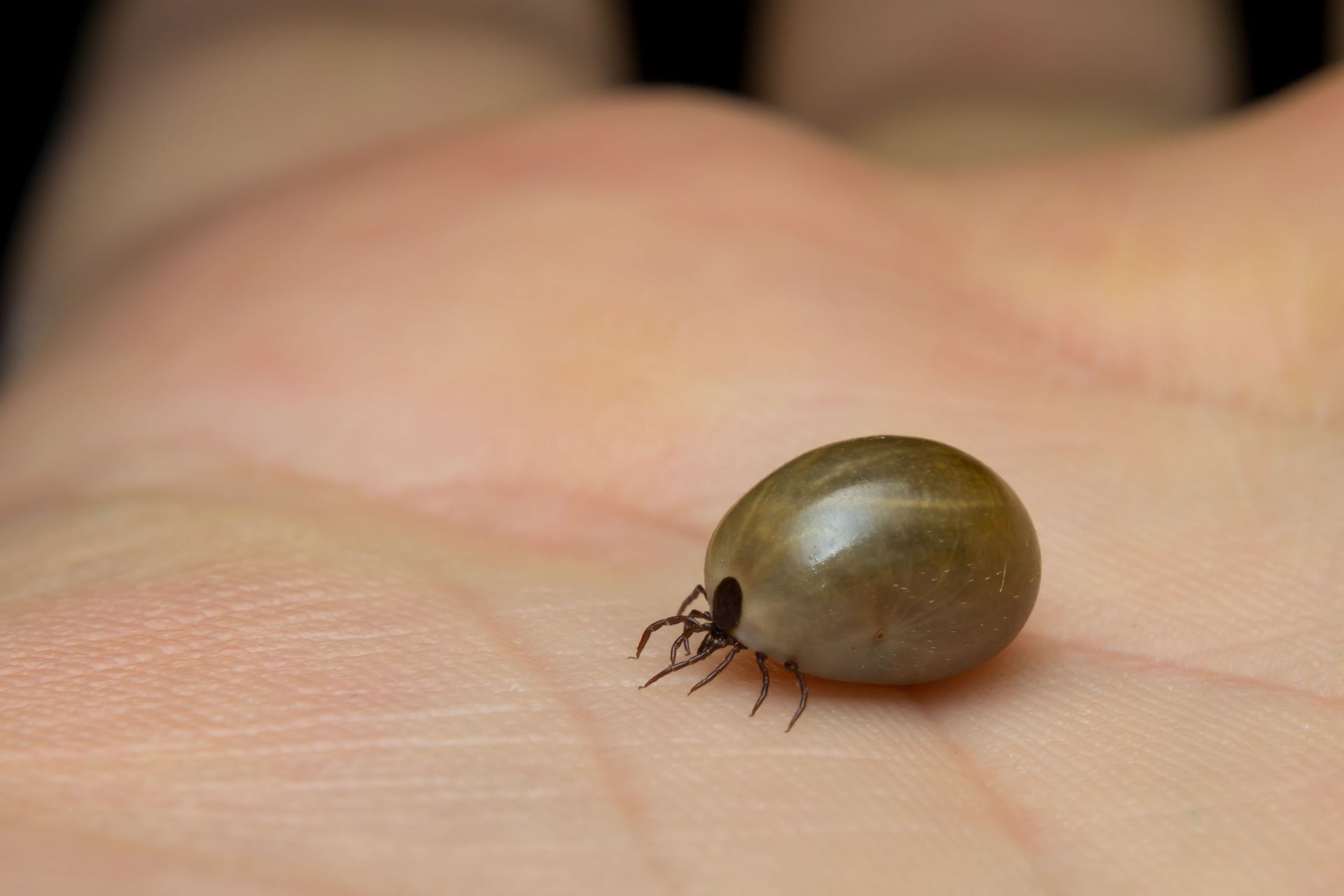
To assess tick infestation levels, professionals must be adept at identifying signs of tick presence in residential areas. Physical signs of tick activity include discovering ticks on pets, wildlife, or members of the household. Additionally, professionals should look for ticks in typical environments such as tall grass, dense shrubbery, leaf litter, and woodpiles, where they are likely to dwell. The presence of these signs often correlates with a more substantial infestation, necessitating immediate attention. By confirming tick presence, appropriate management strategies can be tailored to address the severity of the infestation.
Accurate identification involves understanding seasonal patterns, as tick activity typically increases during warmer months when conditions are more conducive to their feeding and breeding. Familiarity with these seasonal trends allows professionals to anticipate tick problems before they arise. Active surveillance is also crucial, as ticks can be easily overlooked due to their small size and discreet nature. Regularly inspecting for ticks during these peak times can prevent infestations from escalating. Effective assessments reduce the need for reactive treatments by emphasizing preventive measures and routine interventions.
An integrated observation approach should combine visual inspections with customer reports of ticks, adding an anecdotal layer to the assessment process. Professionals can utilize client feedback to determine high-risk zones within the property, enhancing the precision of inspections and treatments. In cases where ticks are confirmed, guided removal and thorough cleaning of affected areas are recommended to prevent further spread. By systematically understanding and identifying where ticks are likely to gather, professionals can isolate problem areas and focus efforts accordingly. Creating detailed records of tick sightings and signs aids in tracking infestation trends and implementing adaptive management strategies.
Conducting a Detailed Property Inspection
A comprehensive property inspection is crucial for accurately assessing and addressing tick infestations. This involves a systematic approach to evaluate all potential tick habitats within the property. Inspections start by segmenting the property into zones, such as the lawn, garden beds, wooded edges, and areas frequented by pets, for focused evaluation. Each zone is examined for both visible ticks and conducive environments like overgrown vegetation, accumulation of leaf litter, and moisture-rich areas. Systematic documentation of these findings allows for targeted interventions, optimizing control efforts.
Professionals should employ tools such as white cloth drags, which simulate a host moving through the grass, to capture ticks for identification. This method provides tangible evidence of tick presence and density, offering insight into the severity of infestation. Techniques like this allow professionals to establish an effective baseline for treatment and monitoring. Observing tick behavior during these inspections, such as questing activity on vegetation, provides additional context for selecting appropriate control measures. This evidence-based approach enhances the precision of control efforts, mitigating the potential for future infestations.
Regular property inspections contribute to ongoing tick population monitoring, which is vital for adjusting management plans as conditions change. Documenting inspection results aids in assessing current control measures' efficacy, providing opportunities for recalibration. Consistent reassessment helps prevent tick populations from rebounding, maintaining the property in a state of low risk. For optimal results, these inspections should be conducted seasonally, with an increase in frequency during peak tick activity periods. Effective inspections yield insights that enhance long-term tick management, resulting in healthier environments for clients and their loved ones.
Using Technology for Effective Assessment
Leveraging technology in tick assessment is transforming how professionals manage and mitigate tick populations. Tools such as GIS (Geographic Information Systems) and GPS mapping can enhance the accuracy of property inspections by identifying specific habitats within the property. This technology allows professionals to gain a deeper understanding of landscape features that contribute to tick infestations. Advanced imaging devices, capable of detecting environmental conditions like humidity and temperature, help identify ideal tick habitats. By integrating these technologies, professionals can conduct more thorough and data-driven inspections.
Technology also streamlines reporting and communication, enabling professionals to document findings digitally and share them with clients in real-time. Interactive maps and visual aids can be created to highlight problem areas, making recommendations more tangible and easier for clients to understand. This digital documentation provides a transparent record of inspections and treatments, supporting informed decision-making. Furthermore, clients benefit from receiving regular updates and insights into how management strategies are adapting to tick population changes. The enhanced communication facilitated by technology builds trust and improves client satisfaction with the services provided.
Beyond inspections, technology plays a crucial role in monitoring and forecasting tick activity via data analysis. National and regional tick data can be cross-referenced with local findings to predict seasonal spikes and assess treatment success rates. By incorporating predictive analytics, professionals can anticipate changes in tick behavior or population densities, allowing for preemptive adjustments to management plans. Investing in technological solutions not only enhances service efficiency but also aligns with contemporary expectations for precision and proactive pest management. The adoption of these technologies signifies a commitment to innovation and excellence in lawn care and pest control practices.
Quantifying the Infestation for Accurate Control
Accurately quantifying tick infestations is critical for formulating precise and effective management strategies. Professionals employ various methods to estimate tick densities, including drag sampling, tick traps, and direct observations of ticks on hosts. Quantifying infestations gives a clear picture of the severity of the problem, allowing for targeted and individualized treatment plans. Such precise assessment ensures that resources are efficiently utilized, addressing the most affected areas promptly. Regular estimations of tick populations aid in benchmarking control efforts and measuring progress over time.
Drag sampling involves pulling a white cloth over suspected tick areas to collect ticks for counting and identification. This method is an effective tool for establishing baseline tick density and assessing changes in populations after interventions. Complementary to this, tick traps help monitor tick activity patterns and population dynamics. By using these tools together, professionals can gain a comprehensive understanding of tick behavior and evaluate the success of their treatment strategies more accurately. Regular quantification allows for the timely adjustment of intervention tactics to better control tick populations.
Data-driven approaches in assessing infestations strengthen the overall management strategy by providing clear evidence for decision-making. Visualizing tick population trends over time creates a historical record that informs future strategies and practice improvements. Professionals can leverage this information when communicating with clients, providing quantitative proof of treatment efficacy. The consistent gathering and analysis of infestation data are vital for developing adaptive management plans that respond to changing environmental variables and tick behaviors. As such, quantifying infestation is an indispensable component of professional tick control.
Effectively managing ticks in residential areas requires far more than casual lawn care; it demands a systematic, data-driven approach. Because ticks present continuous and severe health risks to families and pets, local lawn care professionals must utilize an integrated strategy that blends biological awareness with advanced field tactics.
By prioritizing active surveillance, utilizing physical diagnostic tools such as white cloth drags, and leveraging digital mapping technology, professionals can accurately quantify infestations and target high-risk zones. Ultimately, moving from a reactive mindset to a proactive, evidence-based management plan is the most reliable way to drastically reduce tick populations, minimize pesticide dependency, and ensure a safe, healthy outdoor environment for clients. If you've found a tick problem in your lawn, look no further than the pros at Emerald Green, Inc to remedy the problem. Reach out to create your custom tick control plan.